
ROHS Solutions
What is RoHS?
RoHS is the abbreviation of "Restriction of the use of certain Hazardous Substances in electrical and electronic equipment" (the EU Directive on the Restriction of the use of certain Hazardous Substances), which is a mandatory directive formulated by the EU legislation. The purpose of this standard is to eliminate specific harmful substances in electrical and electronic products, making them more beneficial to human health and the environment.
On June 4, 2015, the EU issued the revised directive (EU) 2015/863, revising the RoHS Directive 2011/65/EU, listing DEHP, DBP, BBP, and DIBP, these four phthalates, as substances for restricted use for control. The limit substances in RoHS 2.0 increased to 10. As of July 22, 2019, all electronic and electrical equipment except medical devices and monitoring devices must meet the new requirements of RoHS 2.0.
Product scope of RoHS:
Electrical and electronic products and their raw materials (including: large household appliances, small household appliances, information technology and communication equipment, consumer devices, lighting equipment, electrical and electronic tools, toys, leisure and sports equipment, medical devices, monitoring devices, vending machines, and other electrical and electronic equipment).
Limitation requirements of RoHS:
均质材料 | 含量限值 | 物质应用 |
Pb | <1000 mg=""> | Lead is commonly used in the electrical and electronic industries for soldering, lead-acid batteries, electronic components, cable sheaths and cathode ray tube glass. |
Hg | <1000 mg=""> | Mercury is a widely used metal in the production of electrical and electronic devices, mainly found in batteries, switches, thermostats and fluorescent lamps. |
Cd | <100 mg=""> | Cadmium is used in electronic devices, car batteries and pigments. |
Cr VI | <1000 mg=""> | Although some forms of chromium are non-toxic, hexavalent chromium can cause toxic effects. |
PBB | <1000 mg=""> | Flame retardants in electronics and appliances. They are found in indoor dust and air through the evaporation of plastic. |
PBDE | <1000 mg=""> | Flame retardants in electronics and appliances. The burning of printed circuit boards releases toxic substances. |
DEHP | <1000 mg=""> | It is an excellent plasticizer for polyvinyl chloride and vinyl chloride copolymers. |
BBP | <1000 mg=""> | Mainly used as a plasticizer. When used as a main plasticizer, it is often combined with other plasticizers and is applied to plastic flooring, decorative materials, corrugated boards, PVC plastics, etc., which contain a large amount of fillers. |
DBP | <1000 mg=""> | It is a common plasticizer for plastics, synthetic rubber, artificial leather, etc. |
DIBP | <1000 mg=""> | It is used as a plasticizer for nitrocellulose, cellulose ethers, polyacrylate, etc., and as an auxiliary agent for gelation when combined with other plasticizers. It is widely used in plastics, paints, adhesives, explosive materials and nail polish. |
What is RoHS homogeneous material / test point:
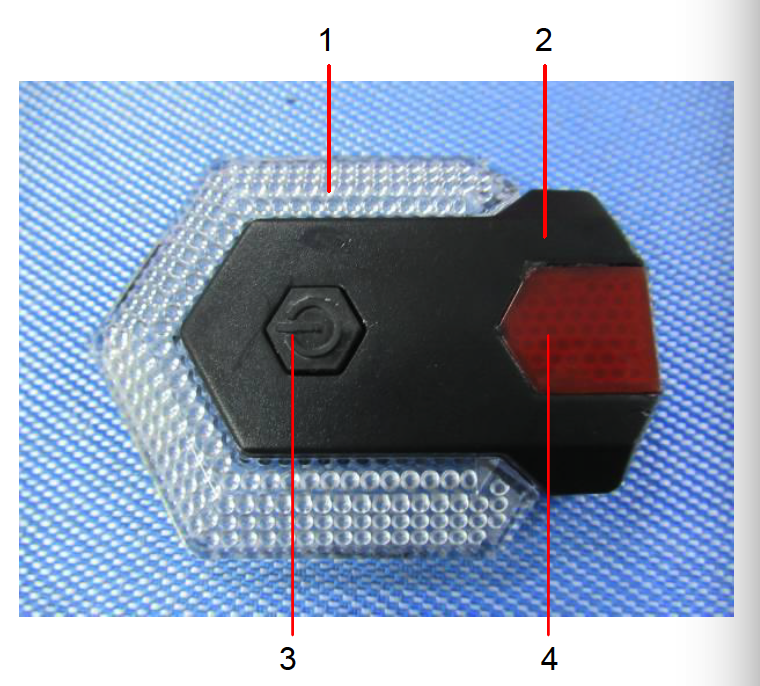
Homogeneous material refers to the smallest unit that cannot be further divided by physical mechanical methods. Please refer to the following picture for details. The RoHS certification testing items and regulatory requirements specify the content of each homogeneous material. Therefore, the number of homogeneous materials (the number of test points) directly affects the testing workload and testing price of RoHS.
RoHS Testing - Choose E-You:
E-You is a professional third-party testing institution with experts who offer comprehensive RoHS certification testing and certification services, as well as other product compliance technical guidance. We sincerely remind customers to closely monitor the version updates of RoHS 2.0 and take proactive measures to update the certification work in advance to avoid risks of international trade barriers.
- previous: REACH Solutions
- next: WEEE Solution